
How a Podiatrist Helps Achilles Tendon Injuries

November 9, 2026

Achilles tendon injuries affect the strong band connecting your calf muscles to your heel. A podiatrist can determine whether pain comes from tendinitis, a strain, partial tear, or rupture, then recommend personalized treatment—such as activity changes, bracing, therapy, or surgery—to reduce pain and restore safe movement.

Podiatrist evaluating Achilles tendon injuries

What Causes Achilles Tendon Injuries?

The Achilles tendon absorbs substantial force whenever you walk, climb stairs, run, or jump. An injury may develop gradually from repeated stress or happen suddenly during a forceful movement.

Common causes and risk factors include:

  • Increasing exercise intensity or distance too quickly
  • Repetitive running, jumping, or hard-surface activity
  • Tight calf muscles or limited ankle flexibility
  • Poor footwear or altered foot mechanics
  • Age-related tendon weakening
  • Certain medications or medical conditions

Achilles tendon pain may also be related to flat feet, overpronation, previous ankle injuries, or a sudden change in physical activity. A thorough evaluation helps identify the underlying contributor rather than treating pain alone.

What Are the Symptoms of an Achilles Tendon Injury?

Symptoms depend on the location and severity of the problem. Tendinitis or tendinopathy often causes pain and stiffness that build gradually, while a rupture may cause sudden, severe symptoms.

Possible signs include:

  • Pain, tenderness, or swelling above the heel
  • Stiffness when taking the first steps in the morning
  • Pain during or after walking, running, or jumping
  • Thickening or warmth around the tendon
  • A sudden popping or snapping sensation
  • Difficulty pushing off the foot or standing on your toes
  • Bruising or a visible gap in the tendon area

A popping sound, sudden weakness, or inability to walk normally may indicate a rupture. Seek prompt medical attention rather than trying to “walk it off.”

How Does a Podiatrist Diagnose Achilles Tendon Injuries?

Your podiatrist begins with a medical history and physical examination. You may be asked when symptoms began, which activities worsen them, and whether you felt a pop or experienced a direct injury.

During the examination, the provider may assess:

  1. Tenderness, swelling, and tendon thickening
  2. Ankle range of motion and calf flexibility
  3. Walking pattern and foot alignment
  4. Strength when pointing the toes or standing on one leg
  5. Signs of a partial or complete tendon tear

Imaging may be recommended when the diagnosis is uncertain or a significant tear is suspected. In-office X-rays can evaluate bones and alignment, while ultrasound or MRI may help show tendon damage. Because tendon pain can resemble other forms of tendon and joint pain , accurate diagnosis matters.

Treatment Options

How Is Achilles Tendon Pain Treated Without Surgery?

Many mild or moderate Achilles tendon injuries improve with a carefully managed, nonsurgical plan. Treatment depends on the injury’s severity, your health, and your activity goals.

A podiatrist may recommend:

  • Temporary rest from running, jumping, or other aggravating activities
  • Ice and elevation to help manage swelling
  • Supportive footwear, heel lifts, or a short-term brace
  • Physical therapy focused on calf strength and tendon loading
  • Medication guidance when appropriate
  • Gradual return to activity with specific progression instructions

Custom support may be useful when foot mechanics contribute to tendon strain. Learn more about custom molded orthotics and how individualized devices may improve alignment and comfort.

Do not begin aggressive stretching or strengthening immediately after a suspected rupture. The right exercises and timing depend on the diagnosis.

When Is Achilles Tendon Surgery Needed?

Surgery is not necessary for every Achilles tendon injury. It may be considered for a complete rupture, a severe or displaced tear, persistent symptoms despite appropriate nonsurgical care, or specific athletic and functional needs.

A surgical discussion typically includes:

  • The location and extent of tendon damage
  • Your age, health, work, and activity level
  • The benefits and risks of repair
  • Recovery time and rehabilitation expectations
  • Whether reconstruction is needed for an older or severely damaged tendon

If surgery is recommended, our team can explain available options and coordinate a recovery plan. Related procedures may include foot surgery or reconstructive foot surgery , depending on the condition.

How Long Does an Achilles Tendon Injury Take to Heal?

Healing time varies widely. Mild irritation may improve over several weeks with activity modification and guided rehabilitation. A significant tear or surgical repair can require several months of protected movement, strengthening, and gradual return to sports.

Recovery depends on:

  • Whether the tendon is irritated, partially torn, or ruptured
  • How quickly treatment begins
  • Consistency with bracing, therapy, and activity instructions
  • General health, circulation, and smoking status
  • The physical demands of work or sports

Pain relief does not always mean the tendon is ready for full activity. Your podiatrist can use symptoms, strength, function, and progress over time to guide the next step.

Patient beginning guided Achilles tendon rehabilitation

What Should You Avoid During Achilles Tendon Recovery?

Returning to normal activity too quickly can prolong symptoms or increase the risk of reinjury. Until you receive professional guidance, avoid activities that sharply increase pain or swelling.

You may need to pause:

  • Sprinting, jumping, and hill running
  • Sudden changes in training volume
  • Barefoot activity on hard surfaces
  • Unsupportive or worn-out shoes
  • Stretching or exercises that cause sharp pain

Low-impact movement may be appropriate for some people, but it should match the injury and treatment plan. Ask before substituting cycling, swimming, or strength training for your usual activity.

When Should You See a Podiatrist?

Schedule an evaluation if Achilles pain persists, repeatedly returns, limits walking, or interferes with work, exercise, or sleep. Early care can help identify contributing factors and reduce the chance that a manageable problem becomes more serious.

Seek urgent evaluation after:

  • A sudden pop in the back of the ankle
  • Immediate swelling or bruising
  • Inability to push off or stand on your toes
  • A visible indentation in the tendon
  • Severe pain after a fall, jump, or collision

Alpine Podiatry Center provides evaluation and treatment for ankle injuries , sports injuries , and other foot and ankle conditions. Our podiatrists create plans based on your symptoms, goals, and daily demands.

Frequently Asked Questions

Can I walk with an Achilles tendon injury?

You may be able to walk with a mild injury, but pain or altered walking can worsen the problem. A sudden pop, marked weakness, or inability to push off requires prompt evaluation.

Is Achilles tendonitis the same as a rupture?

No. Tendinitis or tendinopathy usually involves irritation or degeneration, while a rupture is a partial or complete tear. The symptoms and treatment can be very different.

Should I stretch a painful Achilles tendon?

Not always. Gentle mobility may help some conditions, but stretching a newly injured or ruptured tendon can aggravate damage. Ask a podiatrist which movements are safe.

Can Achilles tendon injuries be prevented?

Risk may be reduced by increasing training gradually, warming up, wearing supportive shoes, strengthening the calf, addressing foot mechanics, and responding early to persistent pain.

Key Takeaways

Achilles tendon injuries range from gradual tendon irritation to sudden rupture, so diagnosis is the first step toward effective care. A podiatrist can evaluate pain, weakness, swelling, walking mechanics, and tendon damage before recommending activity changes, support, rehabilitation, or surgery. Do not ignore a pop, sudden weakness, or difficulty walking. If symptoms persist or limit your routine, schedule an evaluation rather than returning to full activity on your own. Alpine Podiatry Center can help you understand the injury and choose a safe path toward comfortable movement.

Contact us today to schedule an appointment.

Custom molded orthotics for foot pain relief
July 23, 2026
Discover how custom orthotics support foot health from childhood through senior years. Learn the benefits of prescription vs. store-bought inserts.

Walking on a sandy beach during sunset, emphasizing summer foot health.
June 18, 2026
Learn essential summer foot safety tips to protect your feet from heat, UV rays, and injuries. Expert advice from Alpine Podiatry Center for a pain-free season.

By VIV Builder • April 9, 2026
Keep your feet healthy and pain-free this Foot Health Awareness Month. Learn about heel pain, orthotics, diabetic care, and injury treatment to stay active.

By VIV Builder • March 17, 2026
Achilles tendonitis can cause heel pain and stiffness that worsens over time. Learn the symptoms, causes, and how podiatry care can help you recover and stay active.
By VIV Builder • March 1, 2026
Ingrown toenails can quickly become painful if left untreated. Learn causes, symptoms, and how podiatry care can provide safe, effective relief and prevention.
By VIV Builder • February 19, 2026
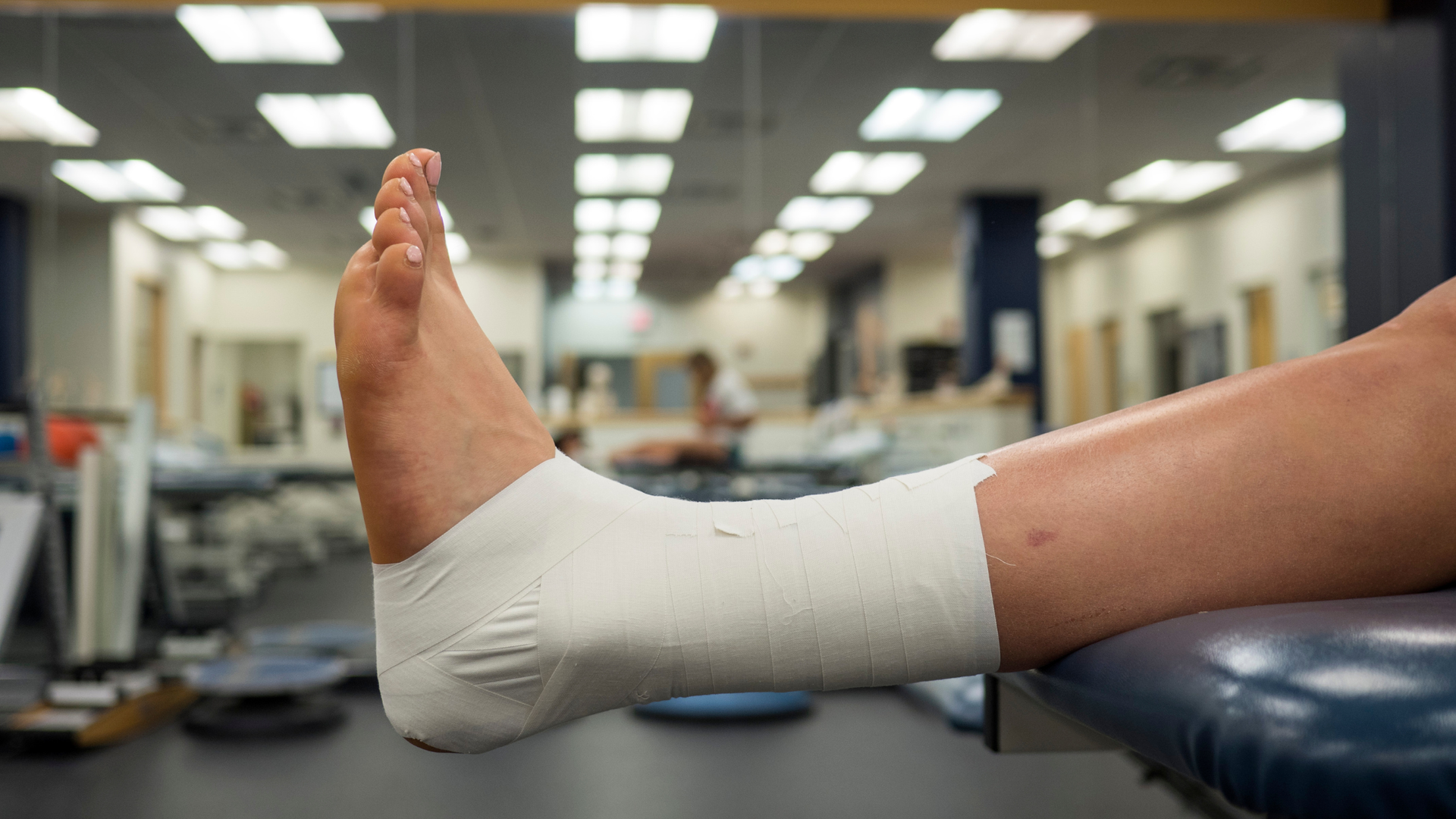
Don’t ignore an ankle sprain. Learn symptoms, causes, and why early treatment is key to preventing long-term pain and instability with expert podiatry care.
By VIV Builder • February 5, 2026
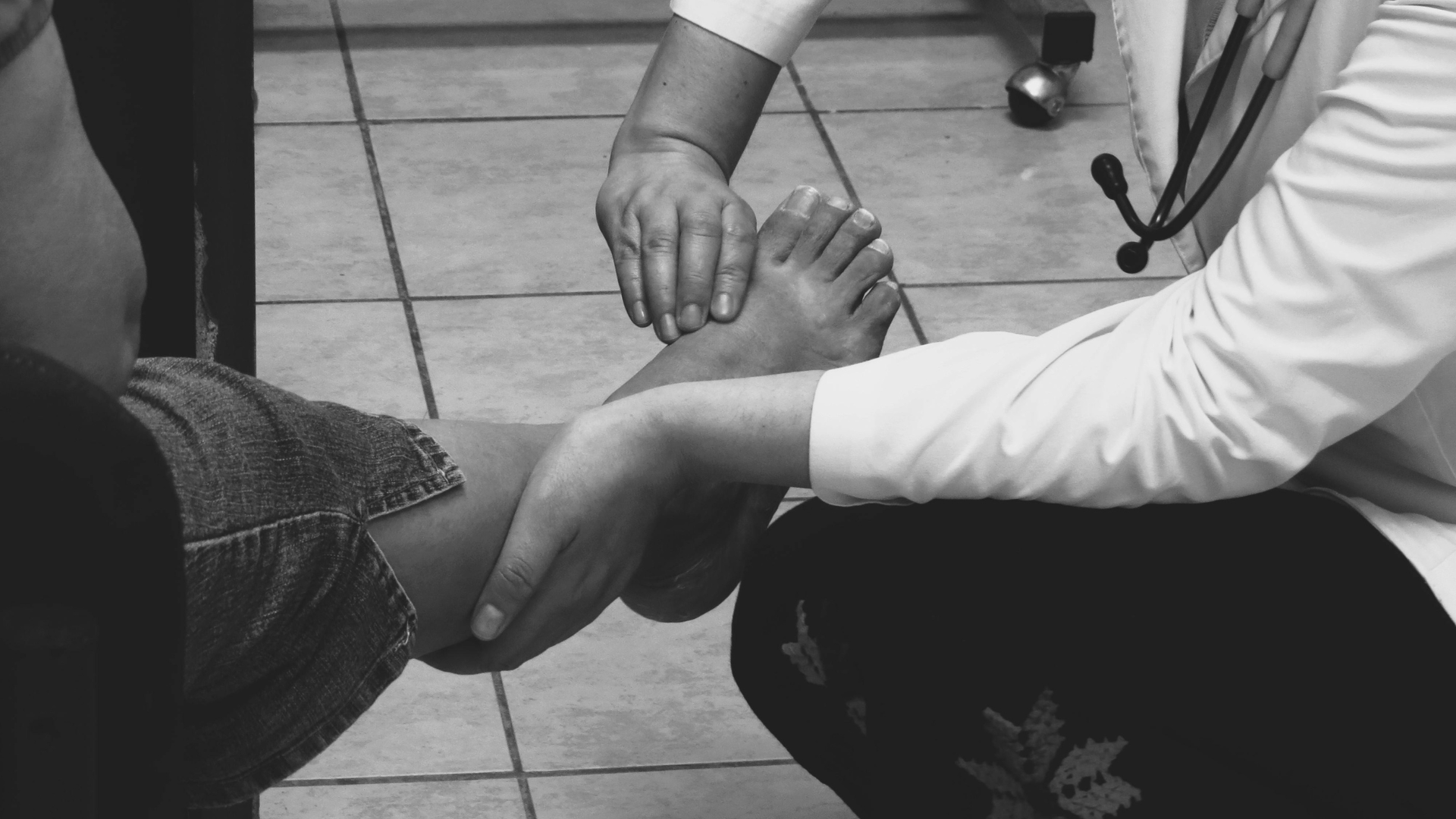
Show your feet some love this February. Learn about common foot problems like heel pain, ingrown toenails, and diabetic foot care, and how podiatry treatment can help.
By VIV Builder • January 23, 2026
Learn what a podiatrist does and how they can help treat foot and ankle conditions. Discover when to seek care and how to stay active, pain-free, and healthy.

By VIV Builder • January 9, 2026
Start the new year pain-free by addressing heel pain early. Learn common causes like plantar fasciitis and how podiatry care can help you stay active and comfortable.

By VIV Builder • December 18, 2025
Start 2026 on the right foot with expert podiatry care. Learn how to prevent foot pain, improve mobility, and stay active with comprehensive exams and treatment options.

Show More