Summer Foot Safety: 5 Tips to Stay Active in 2026
Summer foot safety involves protecting your feet from environmental hazards like extreme heat, UV radiation, and infectious bacteria found in public areas. To stay healthy, wear supportive footwear rather than thin flip-flops, apply sunscreen to your feet, maintain hydration, and avoid walking barefoot to prevent injuries and infections.
Summer is finally here, and for many of us, that means more time spent outdoors, enjoying the beautiful South Carolina sunshine. Whether you are planning a trip to the coast, hiking through local trails, or just spending more time in your garden, your feet are going to be working overtime. While the warmer weather is a welcome change, it also brings a unique set of challenges for our lower extremities. From the scorching heat of the pavement to the hidden dangers of the sandy beach, understanding the basics of summer foot safety is the best way to ensure your season is filled with fun rather than foot pain.
What are the best shoes for summer activities?
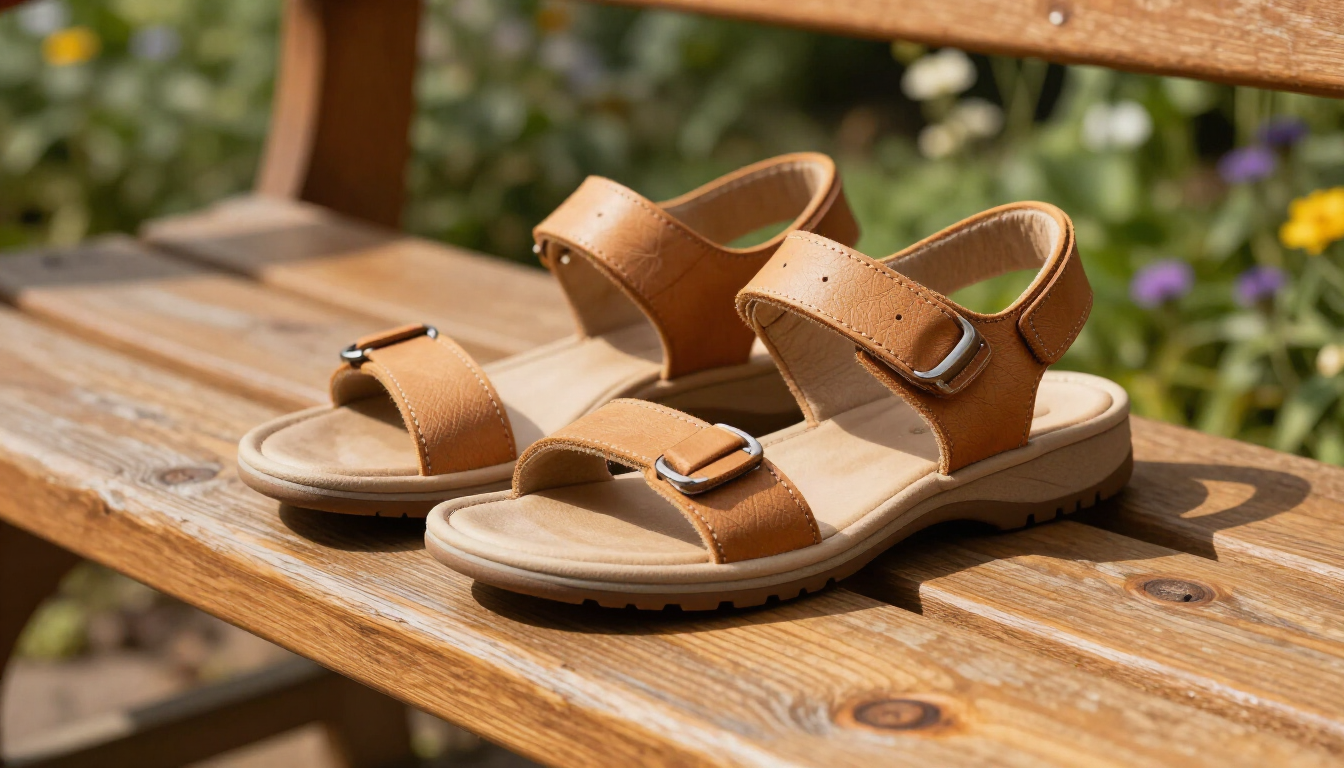
Choosing the right footwear is perhaps the most critical step in maintaining foot health during the warmer months. While it is tempting to reach for the most convenient pair of flip-flops by the door, those thin, unsupportive soles often lead to significant issues like Heel Spurs & Heel Pain . For long walks or any activity that keeps you on your feet for more than a few minutes, you should look for sandals with built-in arch support and secure straps.
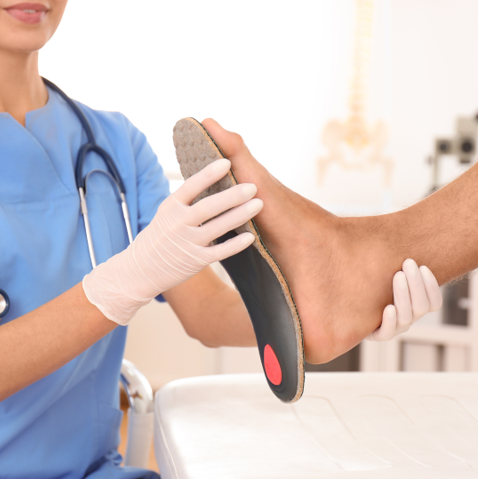
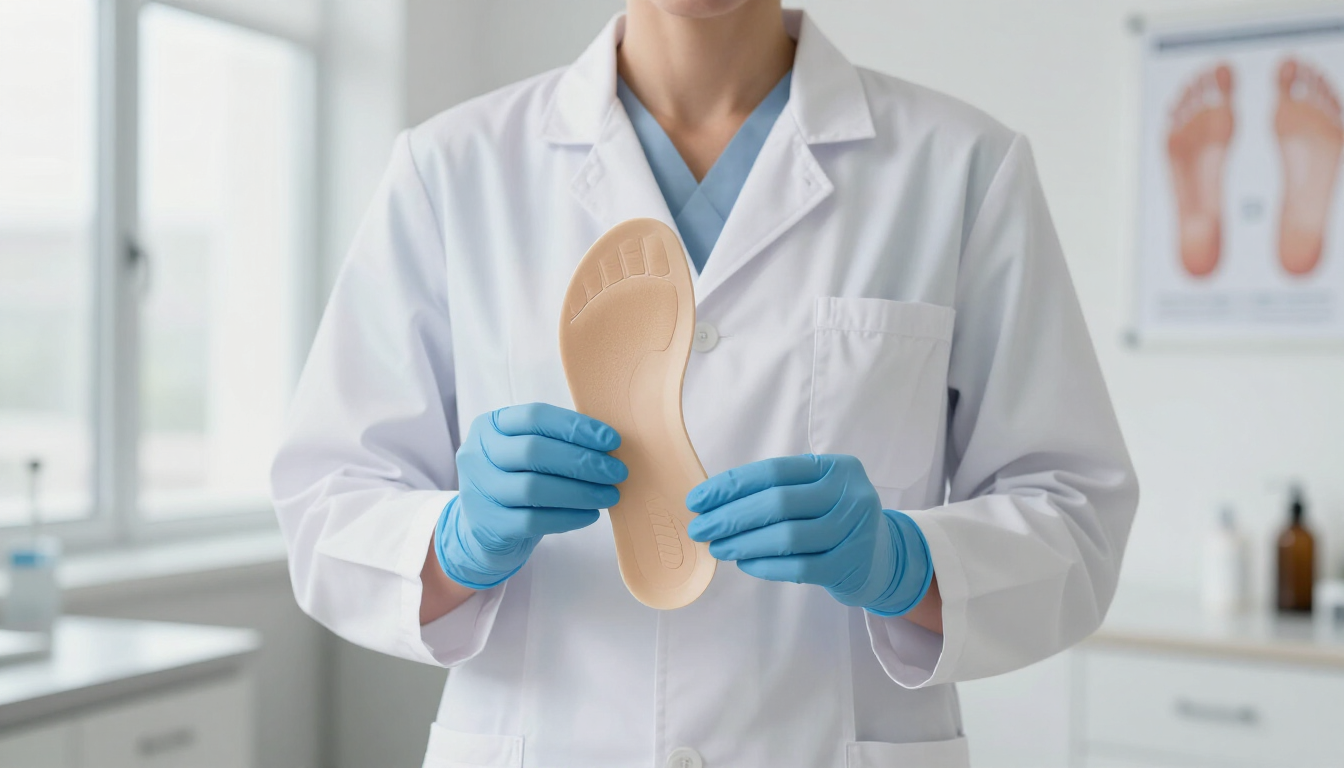
If you have existing conditions like Flat Feet or Arch Disorders , footwear becomes even more important. A shoe that lacks structure allows your foot to flatten out more than it should, putting undue stress on the plantar fascia and the tendons surrounding your ankle. In many cases, we recommend Custom Molded Orthotics which can often be fitted into high-quality walking sandals or sports shoes to provide the stabilization your feet need.
Consider these footwear tips for the summer:
- Select sandals with a thick, cushioned sole to absorb shock.
- Ensure straps are adjustable to accommodate any minor swelling from the heat.
- Opt for breathable materials like mesh or perforated leather.
- Avoid shoes that are completely flat or can be folded in half easily.
- Keep closed-toe shoes for activities like gardening or hiking to prevent trauma.
Common Summer Foot Risks
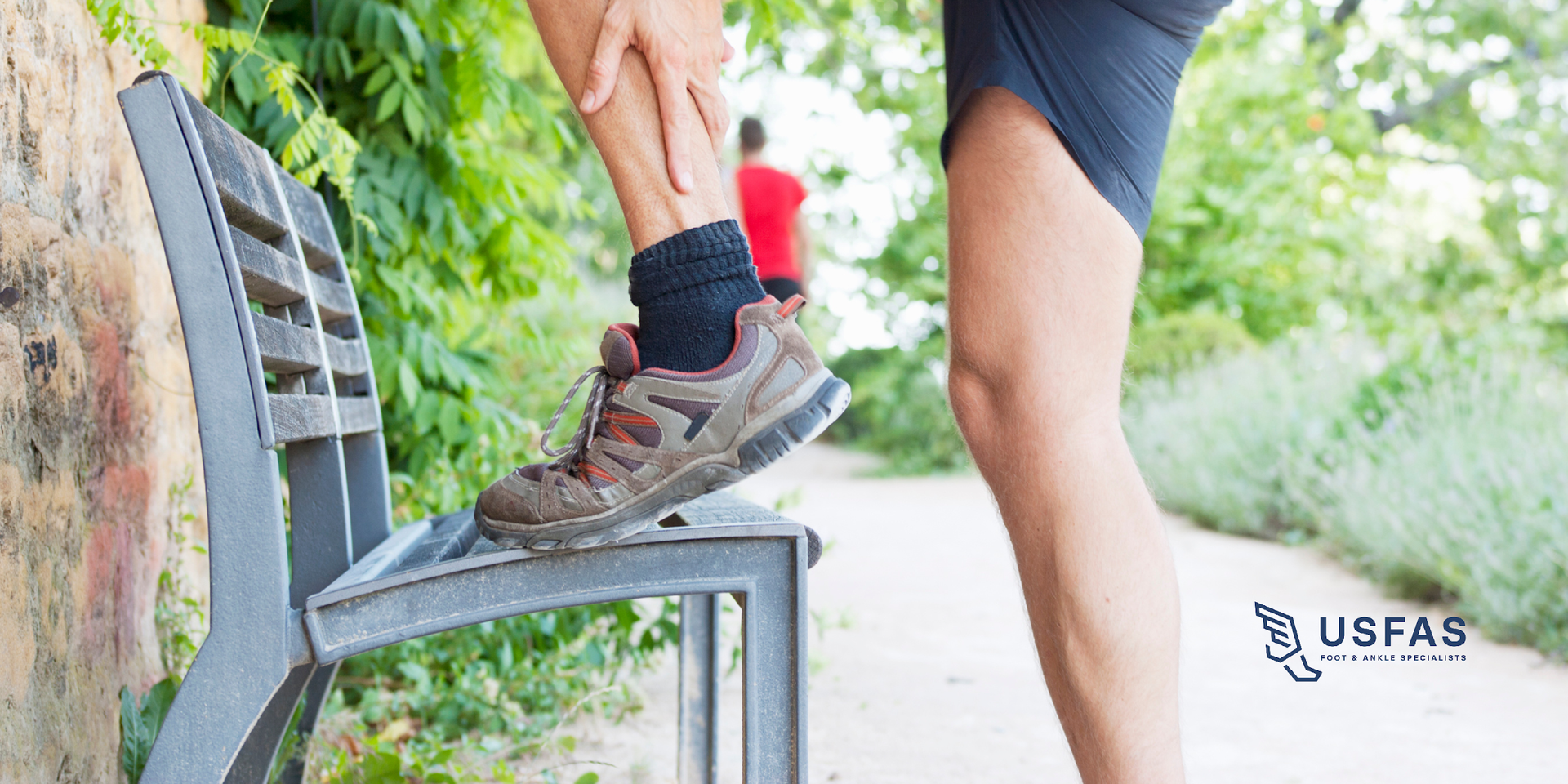
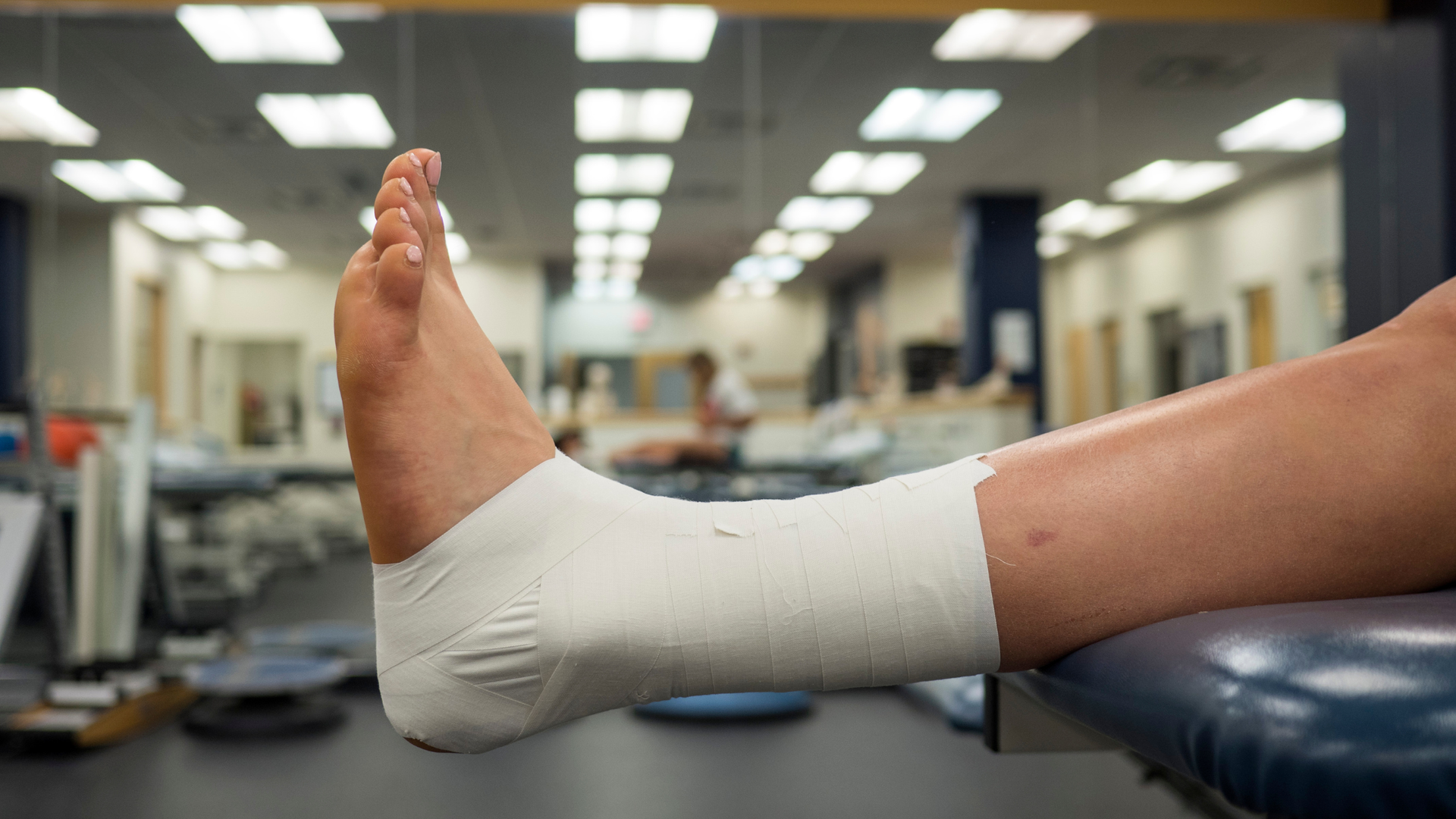
Beyond just the shoes you wear, the summer environment itself poses risks. One of the most common issues we see at Alpine Podiatry Center during this time is an uptick in Sports Injuries and Trauma & Athletic Injuries . People tend to be more active, often jumping into high-intensity activities without a proper warm-up or the right gear. Walking on uneven surfaces like sand or grass can easily lead to Ankle Injuries if you aren't careful.
Another risk that many people overlook is the heat of the ground itself. Asphalt and sand can reach temperatures high enough to cause second-degree burns in just a matter of seconds. This is particularly dangerous for patients who suffer from Burning/Neuropathic Pain or those requiring specialized Diabetic Foot Care . If you have reduced sensation in your feet, you might not realize the ground is burning you until the damage is already done. Always keep your shoes on when walking across parking lots or sun-drenched beaches.
How can I prevent sunburn on my feet?
It is a common mistake: you spend twenty minutes meticulously applying sunscreen to your shoulders, back, and legs, but you completely forget the tops of your feet. However, the skin on the top of your feet is actually quite thin and very susceptible to UV damage. Sunburn on the feet can be incredibly painful, making it nearly impossible to wear shoes for several days.
To keep your feet safe from the sun, follow these guidelines:
- Use a broad-spectrum sunscreen with at least SPF 30.
- Reapply every two hours, especially after swimming or sweating.
- Pay special attention to the tops of the feet and around the ankles.
- Remember that UV rays can penetrate thin fabrics or mesh shoes.
- Check your feet regularly for any new or changing moles.
Protecting your skin isn't just about avoiding a temporary burn; it’s about long-term health. Severe burns can lead to complications, especially if you have sensitive skin or are prone to Skin Disorders & Fungal Nails . If you do get a burn that blisters, do not pop the blisters yourself, as this can lead to infections that may require professional care.
Protecting Your Feet at the Pool and Beach
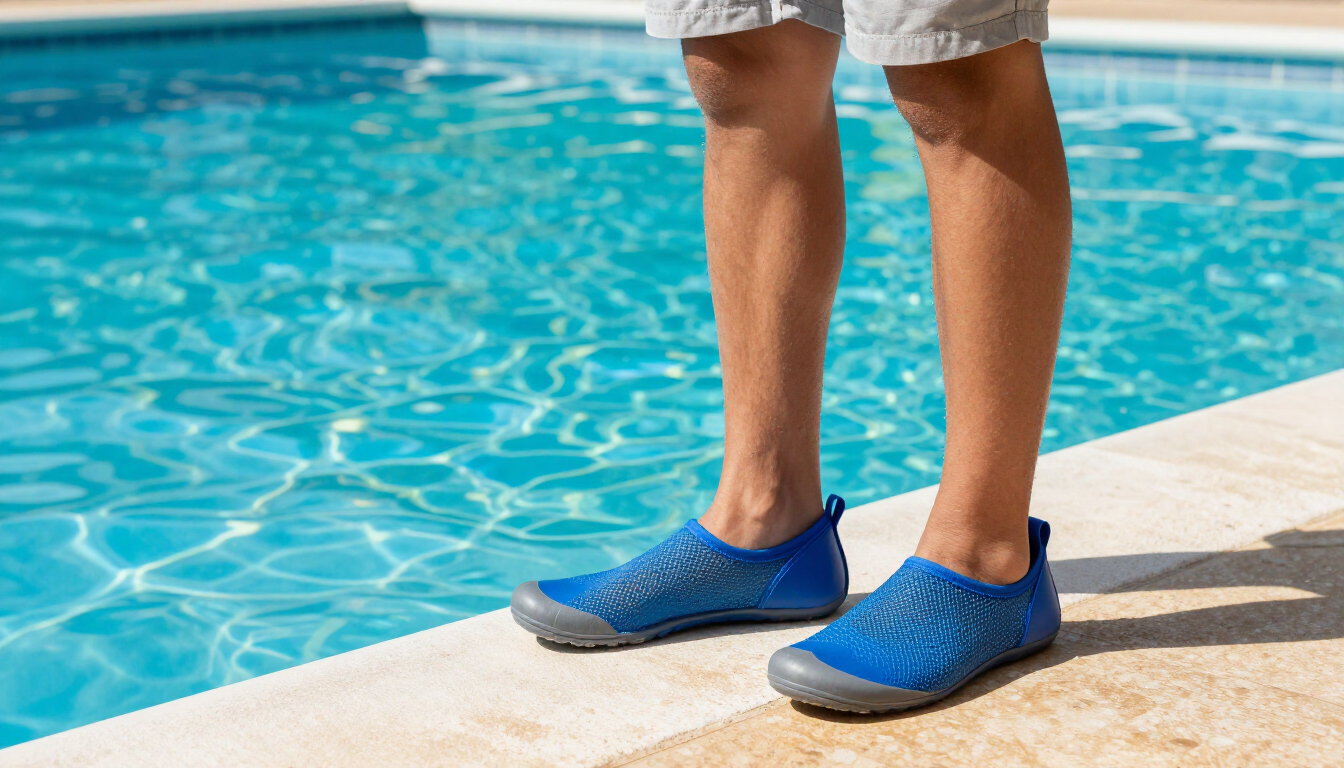
Public swimming pools, locker rooms, and water parks are breeding grounds for bacteria, fungi, and viruses. Warm, damp environments are exactly where Warts and the fungi that cause athlete's foot thrive. To maintain summer foot safety, you should never walk barefoot in these communal areas. Wearing a pair of water shoes or even basic rubber flip-flops while in the locker room or on the pool deck creates a necessary barrier between your skin and the floor.
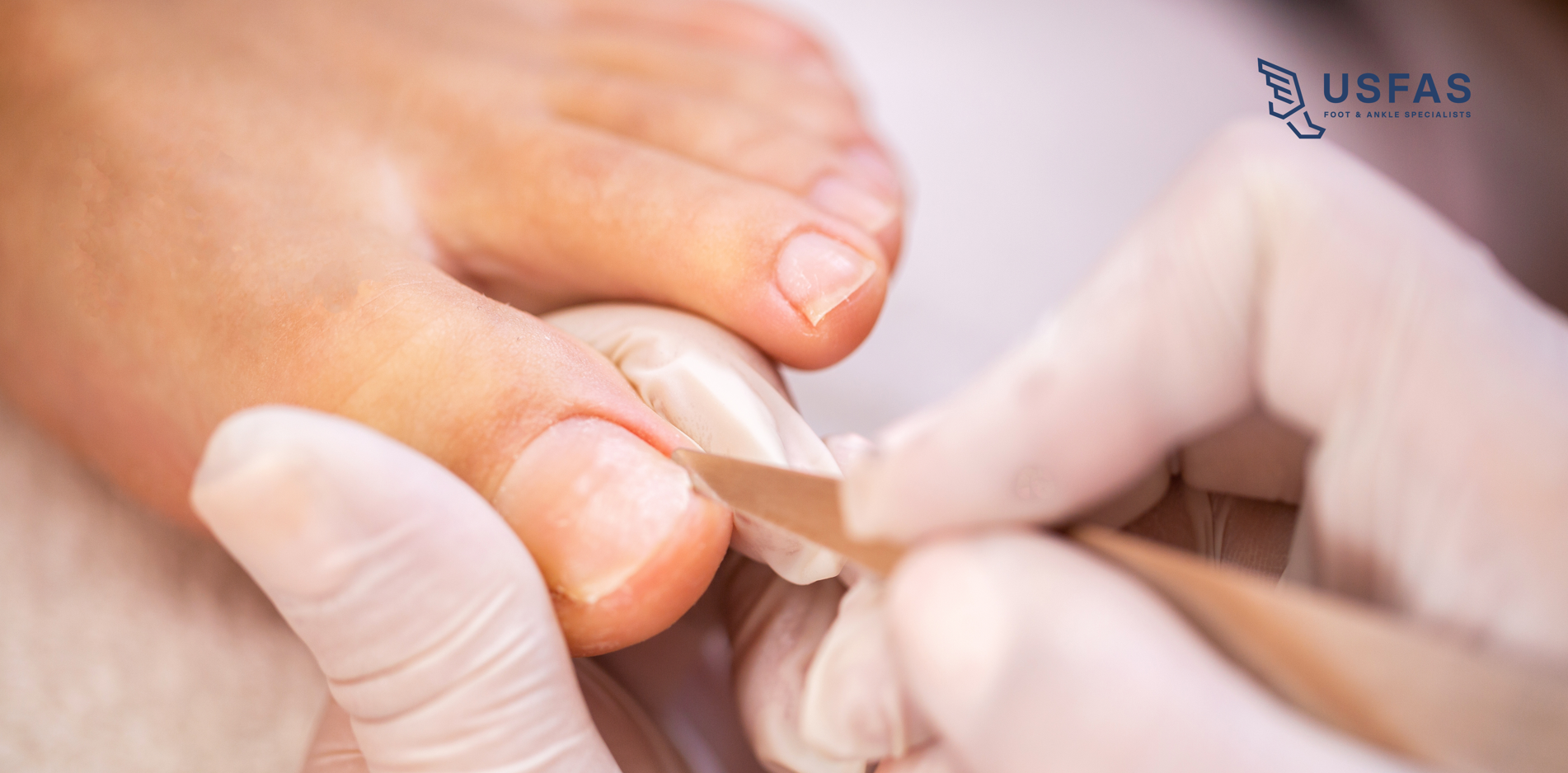
If you are a frequent swimmer, take the time to dry your feet thoroughly after getting out of the water. Moisture trapped between the toes is a primary cause of fungal infections. If you notice any yellowing or thickening of the nails, you may be developing a condition that requires treatment for Fungal Nails . Early intervention is always better than waiting for the infection to spread.
Why is hydration important for foot health?
When you are dehydrated, your body tends to retain water, which can lead to swelling in the lower extremities—a condition known as edema. This swelling can make your shoes feel tight and uncomfortable, potentially leading to blisters, Corns & Calluses , or aggravating existing Bunions and Hammertoes . Drinking plenty of water helps your body flush out excess salt and maintains proper circulation, which is essential for overall foot comfort.
For those who are active, staying hydrated also helps prevent muscle cramps. A sudden cramp in the arch of your foot or the calf during a summer run can lead to a fall or a strain. If you find that your feet and ankles are consistently swollen at the end of a hot day, try elevating them above the level of your heart for twenty minutes. If the swelling persists or is accompanied by pain, it might be time for In-Office Vascular Testing to ensure your circulation is functioning correctly.
When should you see a podiatrist for summer pain?
While many summer foot issues can be managed with rest and proper care, some situations require expert attention. You should schedule an appointment at our Rock Hill Office or Ft. Mill Office if you experience any of the following:
- Persistent pain in the heel or arch that doesn't improve with rest.
- Signs of infection, such as redness, warmth, or drainage around a toenail.
- A sudden injury that causes significant swelling or inability to bear weight.
- Any sore or wound that is slow to heal, particularly for those in our Diabetic Wound Care program.
- Numbness or tingling that interrupts your daily activities.
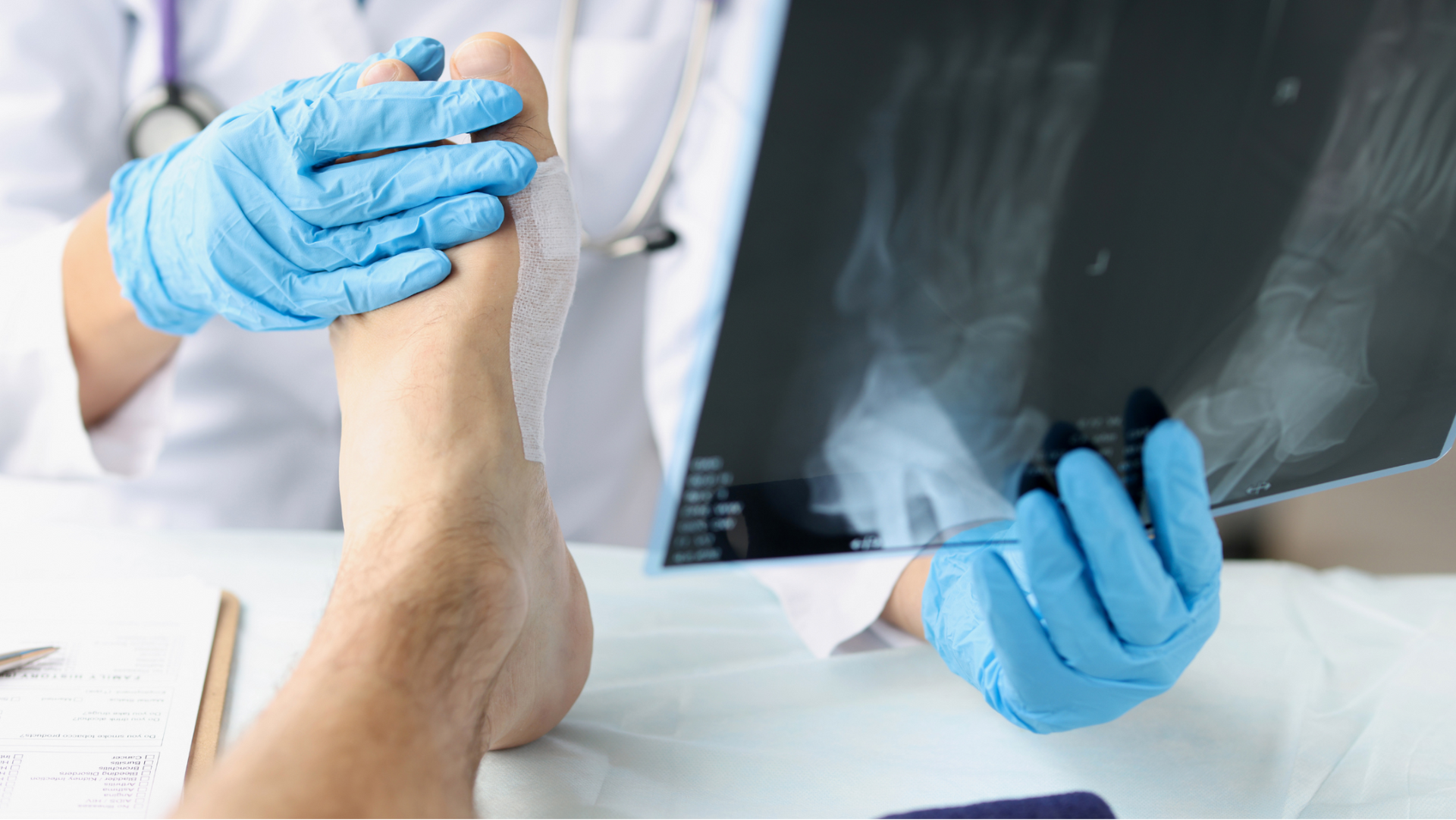
At Alpine Podiatry Center, Dr. Christopher Crabtree and Dr. Catherine Paukovitz are here to help you navigate these issues. Whether you need a simple consultation for Routine Foot Care Services or advanced treatments like State of the Art MLS Laser Therapy for chronic pain, our team is dedicated to restoring your comfort and mobility. Don't let a preventable foot injury keep you on the sidelines this season.
Summary of Summer Foot Safety
Protecting your feet during the summer is all about being proactive and mindful of the unique environment. By prioritizing supportive footwear, staying hydrated, and being vigilant about sun and germ protection, you can enjoy all your favorite warm-weather activities without the burden of foot pain. Remember that your feet are the foundation of your mobility, and giving them a little extra attention now will pay off in long-term health and comfort.
Key Takeaways for a Safe Summer:
- Swap the Flops: Trade flat flip-flops for sandals with arch support to prevent heel pain.
- Sunscreen is Essential: Apply SPF 30+ to the tops of your feet to avoid painful burns.
- Stay Shod: Wear water shoes in public areas to avoid warts and fungal infections.
- Listen to Your Feet: If you experience persistent pain or swelling, seek professional Comprehensive Care .
- Hydrate Often: Drinking water reduces swelling and helps prevent painful muscle cramps.